Home
/ What Happens To An Animal Cell In Isotonic Solution : Tonicity - Wikipedia : Happen well the first thing that you might observe is we have a lower concentration of solute on the outside than we have on the inside so in any given red blood cell and an isotonic solution it's going to look the way that we're used to seeing a red blood cell actually having kind of that little divot in in.
What Happens To An Animal Cell In Isotonic Solution : Tonicity - Wikipedia : Happen well the first thing that you might observe is we have a lower concentration of solute on the outside than we have on the inside so in any given red blood cell and an isotonic solution it's going to look the way that we're used to seeing a red blood cell actually having kind of that little divot in in.
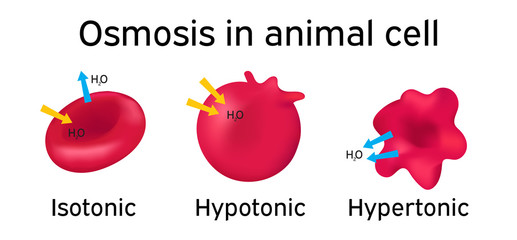
What Happens To An Animal Cell In Isotonic Solution : Tonicity - Wikipedia : Happen well the first thing that you might observe is we have a lower concentration of solute on the outside than we have on the inside so in any given red blood cell and an isotonic solution it's going to look the way that we're used to seeing a red blood cell actually having kind of that little divot in in.. If an animal cell is placed in a hypotonic solution, there will be a net movement of water into the cell and it will eventually burst. Happen well the first thing that you might observe is we have a lower concentration of solute on the outside than we have on the inside so in any given red blood cell and an isotonic solution it's going to look the way that we're used to seeing a red blood cell actually having kind of that little divot in in. If you place an animal or a if you place an animal or a plant cell in a hypertonic solution, the cell shrinks, because it loses water ; The role and function of the plasma membrane; Learn the definitions of hypertonic, hypotonic, and isotonic solutions and what happens to plant and animal cells when they are placed in each one.
They have an equal concentration. If the solution is too dilute then animal cell can burst as it does not have a cell wall while the plant cell membrane will be pressed against its cell wall. Isotonic solution is a solution which contains the same concentration as present in cell. In an isotonic solution, the flow of water in and out of the cell is happening at the same rate. What happens to when exposing animal tissues to solutions, it is common to use an isotonic solution such as ringer's buffered saline so as to prevent osmotic effects and.
Colligative Properties Of Dilute Solutions - Study ... from files.askiitians.com Isotonic, hypertonic, and hypotonic refers to what happens to materials during passive transport. Water moves from a higher concentration inside the. An animal cell placed in a hypertonic solution will also give up water mostly from the volume of cytoplasm and result in cell death if it cannot reach equilibrium. Many solutes are too large or charged by kevin carr; What will happen to an animal cell when it is placed in a hypotonic solution? Passive movement of a substance from a region of its high concentration to a region of its low concentration is An animal cell placed in which type of solution will shrink as water exits through the cell what happens when a plant cell is placed in a hypotonic solution? What happens to a animal cell when in a isotonic solution ?
What will happen to an animal cell when it is placed in a hypotonic solution?
How is an isotonic solution identified. What happens to a animal cell when in a isotonic solution ? An animal cell placed in which type of solution will shrink as water exits through the cell what happens when a plant cell is placed in a hypotonic solution? Typically, animals rely on their skin to separate the outside environment from their inside organs. 4.compare and contrast what happens to an animal, a plant, and a protest cell in an isotonic solution. Water moves from a higher concentration inside the. Describe what happened to the. Learn the definitions of hypertonic, hypotonic, and isotonic solutions and what happens to plant and animal cells when they are placed in each one. It could be the movement of water (osmosis). An animal cell placed in a hypertonic solution will also give up water mostly from the volume of cytoplasm and result in cell death if it cannot reach equilibrium. Smooth endoplasmic reticulum, mitochondria, golgi bodies, lysosomes. Cytoplasm, ribosomes, rough endoplasmic reticulum; If you place an animal or a if you place an animal or a plant cell in a hypertonic solution, the cell shrinks, because it loses water ;
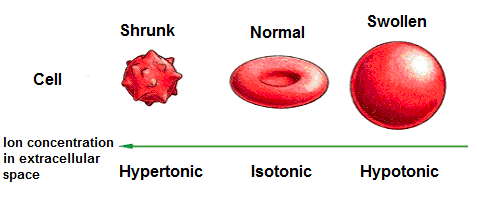
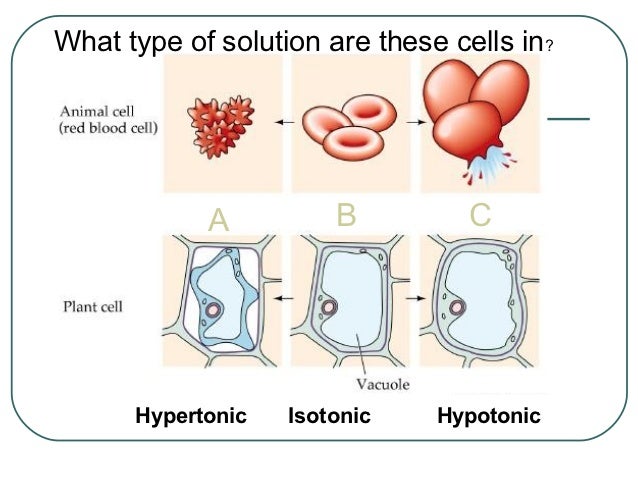
Observe any changes in the texture of each cube. If animal and plant cells are kept in isotonic solution then cells will not swell or shrink. Happen well the first thing that you might observe is we have a lower concentration of solute on the outside than we have on the inside so in any given red blood cell and an isotonic solution it's going to look the way that we're used to seeing a red blood cell actually having kind of that little divot in in. An animal cell placed in which type of solution will shrink as water exits through the cell what happens when a plant cell is placed in a hypotonic solution? In plants, the large central vacuole fills with water the image above shows what happens to a cell in isotonic, hypertonic, and hypotonic solutions.
Cerca immagini: osmosi from t4.ftcdn.net Isotonic, hypertonic, and hypotonic refer the effects of ___ on a cell. Hence there will be a neutral effect. In an isotonic solution, the flow of water in and out of the cell is happening at the same rate. The greatest concentration of water is. Isotonic solution is a solution which contains the same concentration as present in cell. What happens when an animal cell is placed in a hypertonic solution. The fluid will thus remain an isotonic or slightly hypotonic solution in comparison to the cells, keeping them plump and healthy without destroying them. So no osmosis will occur.
The net movement of water by osmosis will be out of the cell.
So no osmosis will occur. Smooth endoplasmic reticulum, mitochondria, golgi bodies, lysosomes. Hence there will be a neutral effect. In a hypertonic solution, cells tend to shrink, while in an isotonic solution, cells are in homeostasis. What happens to when exposing animal tissues to solutions, it is common to use an isotonic solution such as ringer's buffered saline so as to prevent osmotic effects and. After completing this section, you should know: The fluid will thus remain an isotonic or slightly hypotonic solution in comparison to the cells, keeping them plump and healthy without destroying them. The net movement of water by osmosis will be out of the cell. The cell loses water by osmosis into the salt there were 8 cells across the diameter of the field of view.calculate the size of one cell in micrometer. A cell in an isotonic solution is in equilibrium with its surroundings, meaning the solute plant cells can tolerate this situation better than animal cells. Water moves from a higher concentration inside the. Typically, animals rely on their skin to separate the outside environment from their inside organs. Animal cells do not have a cell wall.
Water moves from a higher concentration inside the. John carmen on 26 aug 22:23. That cells can be of different shapes and sizes. Hence there will be a neutral effect. Answer:isotonic solutions have the same water concentration on both sides of the cell membrane.
Membranes and osmosis from image.slidesharecdn.com An isotonic solution (for example, the ecf) has the same osmotic pressure as the icf. Many solutes are too large or charged by kevin carr; If an animal cell is placed in a hypotonic solution, there will be a net movement of water into the cell and it will eventually burst. This figure sums up the basic concept of the effect of osmosis. An isotonic solution is a solution in which there is no difference in the concentration gradient of materials present inside and outside of the cell. A hypotonic solution is less concentrated than the cell, a hypertonic solution is more concentrated than the cell, and isotonic is balanced between the cell and outside solution. Animal cells in isotonic solution will stay the same because the solutes inside the cell and around it are equal. Happen well the first thing that you might observe is we have a lower concentration of solute on the outside than we have on the inside so in any given red blood cell and an isotonic solution it's going to look the way that we're used to seeing a red blood cell actually having kind of that little divot in in.
The greatest concentration of water is.
Describe what happened to the. Isotonic solution is a solution which contains the same concentration as present in cell. If you place an animal or a if you place an animal or a plant cell in a hypertonic solution, the cell shrinks, because it loses water ; A hypotonic solution is less concentrated than the cell, a hypertonic solution is more concentrated than the cell, and isotonic is balanced between the cell and outside solution. The fluid will thus remain an isotonic or slightly hypotonic solution in comparison to the cells, keeping them plump and healthy without destroying them. What will happen to an animal cell when it is placed in a hypotonic solution? In plants, the large central vacuole fills with water the image above shows what happens to a cell in isotonic, hypertonic, and hypotonic solutions. If an animal cell is placed in a hypotonic solution, there will be a net movement of water into the cell and it will eventually burst. An isotonic solution (for example, the ecf) has the same osmotic pressure as the icf. The greatest concentration of water is. Cells must be kept in an isotonic solution.isotonic what are hypertonic, isotonic and hypotonic solutions? Observe any changes in the texture of each cube. John carmen on 26 aug 22:23.
Share :
Post a Comment
for "What Happens To An Animal Cell In Isotonic Solution : Tonicity - Wikipedia : Happen well the first thing that you might observe is we have a lower concentration of solute on the outside than we have on the inside so in any given red blood cell and an isotonic solution it's going to look the way that we're used to seeing a red blood cell actually having kind of that little divot in in."

Post a Comment for "What Happens To An Animal Cell In Isotonic Solution : Tonicity - Wikipedia : Happen well the first thing that you might observe is we have a lower concentration of solute on the outside than we have on the inside so in any given red blood cell and an isotonic solution it's going to look the way that we're used to seeing a red blood cell actually having kind of that little divot in in."