Home
/ Plant Cell In Hypotonic Solution / Diffusion & Osmosis - Maggie's Science Connection / The pressure exerted by the contents of a plant cell against the cell wall when water enters the central vacuole and surrounding cytoplasm (occurs when a plant cell is placed in a hypotonic solution).
Plant Cell In Hypotonic Solution / Diffusion & Osmosis - Maggie's Science Connection / The pressure exerted by the contents of a plant cell against the cell wall when water enters the central vacuole and surrounding cytoplasm (occurs when a plant cell is placed in a hypotonic solution).
Plant Cell In Hypotonic Solution / Diffusion & Osmosis - Maggie's Science Connection / The pressure exerted by the contents of a plant cell against the cell wall when water enters the central vacuole and surrounding cytoplasm (occurs when a plant cell is placed in a hypotonic solution).. A solution that has fewer solutes than another solution to which it is compared. Because the water potential outside the cell will be lesser than that of inside the. If the solution is too dilute then animal cell can burst as it does not have a cell wall while the plant cell membrane will be pressed against its cell wall. Animal and plant cells in a hypotonic solution• solution which contain higher concentration of water and lower concentration of solutes is called as 7. This pressure stops the gain of water when cell contents become completely turgid.
Animal and plant cells in a hypotonic solution• solution which contain higher concentration of water and lower concentration of solutes is called as 7. When a plant cell is placed in a hypotonic solution, water will enter inside the plant cell, i.e. Create your own flashcards or choose from millions created by other students. When the plant cell is placed in a hypotonic solution , it takes up water by osmosis and starts to swell, but the cell wall prevents it from bursting. Solutions can be hypotonic, hypertonic, or isotonic to the cell.
PPT - Cells in isotonic, hypotonic, and Hypertonic ... from image3.slideserve.com In which type of solution is a cell in homeostasis (balance)? Plant cells are enclosed by a rigid cell wall. A hypotonic solution is a solution that has a lower solute concentration compared to another solution. Although this can occur in cells without walls, this does not happen in cells that do have cell walls like plant cells. When it is placed in a hypotonic solution (the solution which has a lower solute concentration than the cell), the process of osmosis takes place. Tonicity depends on the relative concentration of selectively membrane permeable solutes across a cell membrane which determine the direction and. Plant cells are enclosed by rigid cell walls. Hypertonic hypotonic & isotonic solutions notes.
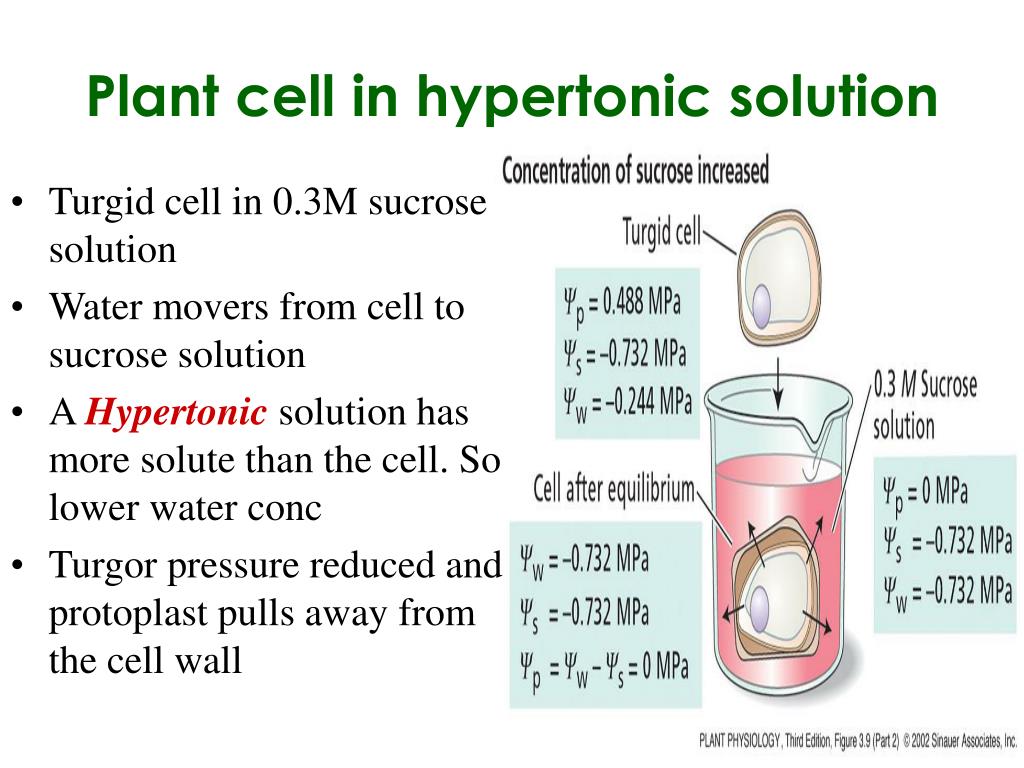
Hypertonic solution:plant cell will shrinks in size.
In which type of solution is a cell in homeostasis (balance)? Hypotonic/weak solutions a hypotonic solution is one in which the concentration of the solute in the solution is less than that of the cell. When the plant cell is placed in a hypotonic solution , it takes up water by osmosis and starts to swell, but thecell wall prevents it from bursting. When the plant cell placed in hypotonic solution it takes up water by osmosis and starts to swell but the cell wall prevent it from brusting. Tonicity depends on the relative concentration of selectively membrane permeable solutes across a cell membrane which determine the direction and. Plant and animal cell will both imbibe water and water will flow inside them by endosmosis. When a plant cell is placed in a hypotonic solution, water will enter inside the plant cell, i.e. Quizlet is the easiest way to study, practise and master what you're learning. Unlike plant cells that have rigid cell walls, animal cells have flexible cell membranes that allow the cell to enlarge or shrink. Plants have evolved to absorb water and are healthiest when their cells are turgid, or full of water. In these solutions the plant cell will absorb water by osmosis to become turgid (stiff). Because the water potential outside the cell will be lesser than that of inside the. This allows the plant to support itself.
The pressure exerted by the contents of a plant cell against the cell wall when water enters the central vacuole and surrounding cytoplasm (occurs when a plant cell is placed in a hypotonic solution). So if the external solution becomes more dilute, or hypotonic, water will move into the cell until it balances the internal and external concentration. When it is placed in a hypotonic solution (the solution which has a lower solute concentration than the cell), the process of osmosis takes place. In these conditions, an animal cell would burst, but because plant cells have cell. A cell placed in a hypotonic solution will swell up or gain water, and it can possibly rupture if the excess water inside the cell is not removed.
Please explain in brief the process of hypertonic ... from 4.bp.blogspot.com A solution that has fewer solutes than another solution to which it is compared. The water potential of two solutions separated by a semipermeable cell membrane. Placing plant cells into hypotonic solution causes the osmotic pressure to increase. In which type of solution is a cell in homeostasis (balance)? This allows the plant to support itself. When they are in a hypotonic solution, water can enter the cell through osmosis. Hypertonic hypotonic & isotonic solutions notes. Plant cells in a hypotonic solution become bloated as the cell membrane inside swells and presses against the cell wall.
Major topics include photosynthesis, cellular respiration, plant and animal cells, prokaryotes and eukaryotes, active and passive transport, and osmosis and diffusion.
A hypotonic solution means there is a higher concentration of solutes in the plant cell than in the environment, so net water movement via the purpose of the hypotonic solution is to maintain that turgor pressure and ensure water moves into the plant (for example in the roots, where the. Create your own flashcards or choose from millions created by other students. Plant and animal cell will both imbibe water and water will flow inside them by endosmosis. What will happen to a cell in a hypotonic solution? So if the external solution becomes more dilute, or hypotonic, water will move into the cell until it balances the internal and external concentration. 'lysis' is defined as the disruption of the. Plants have evolved to absorb water and are healthiest when their cells are turgid, or full of water. When kept in hypotonic solution, the cell will swell and become turgid. Solutions can be hypotonic, hypertonic, or isotonic to the cell. The cell wall can withstand the turgor pressure of the turgid cell contents by exerting counter wall pressure. Hypertonic solution:plant cell will shrinks in size. • if plasmolysis continues, death may result.• if we placed the plasmolysed plant cell in a hypotonic solution (pure water), water moves into the. This allows the plant to support itself.
The cell wall can withstand the turgor pressure of the turgid cell contents by exerting counter wall pressure. When a plant cell is placed in a hypotonic solution, water will enter inside the plant cell, i.e. Hypotonic/weak solutions a hypotonic solution is one in which the concentration of the solute in the solution is less than that of the cell. When they are in a hypotonic solution, water can enter the cell through osmosis. When kept in hypotonic solution, the cell will swell and become turgid.
Objective 6 - All About Cells from pascua-allaboutcells.weebly.com A hypertonic solution will make water leave cells, but a plant cell looks more like a pincushion than a wrinkled animal cell. Plant cells are enclosed by rigid cell walls. When a plant cell is placed in a hypotonic solution, water will enter inside the plant cell, i.e. When they are in a hypotonic solution, water can enter the cell through osmosis. This pressure stops the gain of water when cell contents become completely turgid. Plant cells are enclosed by a rigid cell wall. Hypotonic solutions have a lower concentration of solute than inside the cell so water rushes in, while isotonic solutions have an equal when a plant is immersed in a hypertonic solution, water leaves the plant cell and it shrivels up. Hypertonic hypotonic & isotonic solutions notes.
Animal and plant cells in a hypotonic solution• solution which contain higher concentration of water and lower concentration of solutes is called as 7.
Hypertonic, isotonic, and hypotonic solutions and their effect on cells. Animal and plant cells in a hypotonic solution• solution which contain higher concentration of water and lower concentration of solutes is called as 7. The effects of hypotonic, hypertonic & isotonic solutions on an plant cells plant cell. The image below shows a single plant cell in different environments. A hypertonic solution will make water leave cells, but a plant cell looks more like a pincushion than a wrinkled animal cell. 'lysis' is defined as the disruption of the. Osmotic lysis with a hypotonic solution causes the cells to swell and burst. Tonicity is a measure of the effective osmotic pressure gradient; Tonicity depends on the relative concentration of selectively membrane permeable solutes across a cell membrane which determine the direction and. When kept in hypotonic solution, the cell will swell and become turgid. Water flows from higher concentration to lower concentration. This allows the plant to support itself. A hypotonic solution is a solution that has a lower solute concentration compared to another solution.
Share :
Post a Comment
for "Plant Cell In Hypotonic Solution / Diffusion & Osmosis - Maggie's Science Connection / The pressure exerted by the contents of a plant cell against the cell wall when water enters the central vacuole and surrounding cytoplasm (occurs when a plant cell is placed in a hypotonic solution)."


Post a Comment for "Plant Cell In Hypotonic Solution / Diffusion & Osmosis - Maggie's Science Connection / The pressure exerted by the contents of a plant cell against the cell wall when water enters the central vacuole and surrounding cytoplasm (occurs when a plant cell is placed in a hypotonic solution)."