Home
/ Osmosis Plant And Animal Cells / Why Is Osmosis Important For Plants And Animal Cells Quora - Sign up and get access to hundreds of high quality instruction.
Osmosis Plant And Animal Cells / Why Is Osmosis Important For Plants And Animal Cells Quora - Sign up and get access to hundreds of high quality instruction.
Osmosis Plant And Animal Cells / Why Is Osmosis Important For Plants And Animal Cells Quora - Sign up and get access to hundreds of high quality instruction.. Pulling away of the animal cell membrane as it undergoes osmosis. How does osmosis affect cells? Defining the differences between plant and animal cells and osmosis • describe the effects on plant cells of immersion in different solutions. Water is lost from the plant mainly by evaporation from the leaves.
In higher plants, water and minerals are absorbed by the roots and move up the plant through conducting tubes (the xylem); Examples of osmosis in animals the movement of water into the cytoplasm in unicellular organism such as paramecium and amoeba. Osmosis in plant and animal cells learning objectives • explain why osmotic effects are different on plant cells compared with animal cells. More images for osmosis plant and animal cells » Pulling away of the plant cell membrane as it loses water in a hypertonic solution.
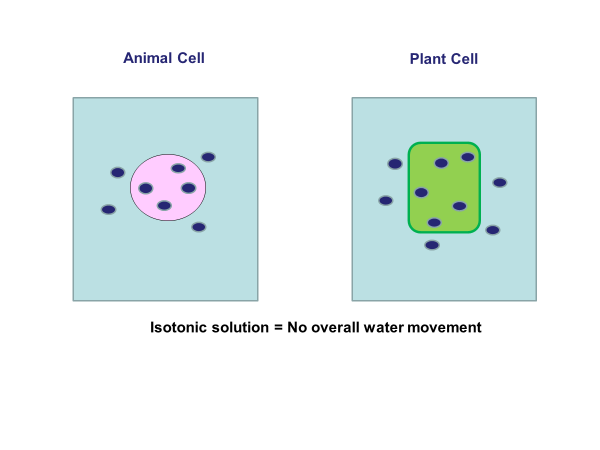
Osmosis What Is It from eplblog.s3.amazonaws.com The movement of water from one living cell to the other within a plant. • state the meaning of the terms: Pulling away of the plant cell membrane as it loses water in a hypertonic solution. What is example of osmosis in plants? What does osmosis do in an animal cell? Pulling away of the animal cell membrane as it undergoes osmosis. What these processes have in common is osmosis — the movement of water from a region of lower solute concentration to a region of higher solute concentration. The effects of osmosis on animal and plant cells animal cells red blood cells placed in a solution with the same water concentration as their cytoplasm (0.85 per cent salt solution) will not.
In higher plants, water and minerals are absorbed by the roots and move up the plant through conducting tubes (the xylem);
An increase in turgor pressure as the cell undergoes osmosis. Osmosis in plant and animal cells learning objectives • explain why osmotic effects are different on plant cells compared with animal cells. • state the meanings of the words: Pulling away of the plant cell membrane as it loses water in a hypertonic solution. What happens to cells during osmosis? Examples of osmosis in animals the movement of water into the cytoplasm in unicellular organism such as paramecium and amoeba. What does osmosis do in an animal cell? Contraction of the protoplast of a plant cell as a result of gaining water. • state the meaning of the terms: Water is lost from the plant mainly by evaporation from the leaves. • describe the effects on plant cells of immersion in different solutions. Plant cells placed in a solution with a high water concentration compared to their contents (eg pure water) will gain water by osmosis and swell up until their cytoplasm and cell. The movement of water from one living cell to the other within a plant.
The movement of water from one living cell to the other within a plant. What does osmosis do in an animal cell? Plant cells placed in a solution with a high water concentration compared to their contents (eg pure water) will gain water by osmosis and swell up until their cytoplasm and cell. More images for osmosis plant and animal cells » The effects of osmosis on animal and plant cells animal cells red blood cells placed in a solution with the same water concentration as their cytoplasm (0.85 per cent salt solution) will not.
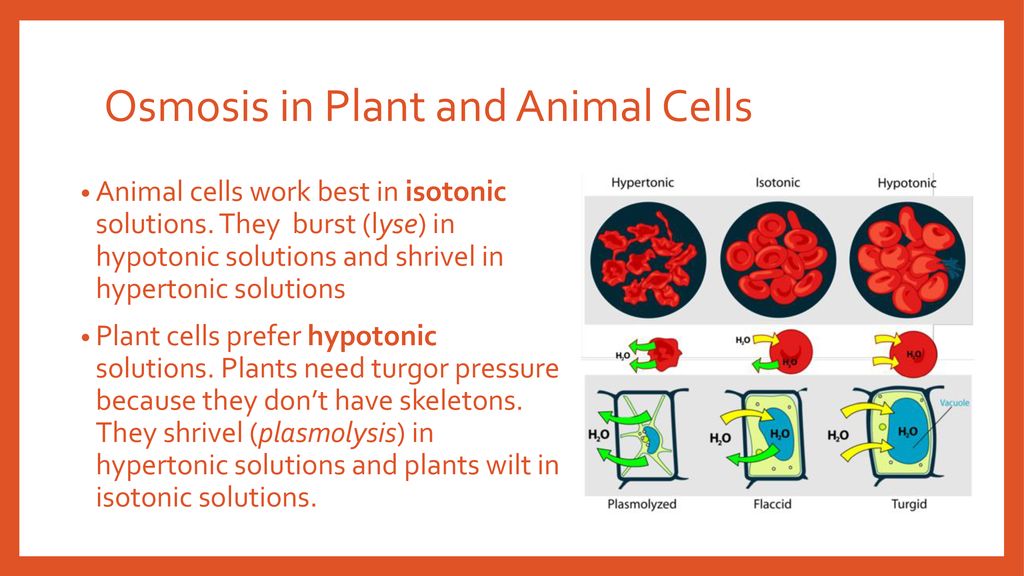
A Tour Of The Cell Cells And Transport Ppt Download from slideplayer.com Osmosis in plant and animal cells learning objectives • explain why osmotic effects are different on plant cells compared with animal cells. How does osmosis affect cells? Water is lost from the plant mainly by evaporation from the leaves. • state the meaning of the terms: • describe the effects on plant cells of immersion in different solutions. The effects of osmosis on animal and plant cells animal cells red blood cells placed in a solution with the same water concentration as their cytoplasm (0.85 per cent salt solution) will not. Pulling away of the animal cell membrane as it undergoes osmosis. Sign up and get access to hundreds of high quality instruction.
• describe the effects on plant cells of immersion in different solutions.
• state the meaning of the terms: Contraction of the protoplast of a plant cell as a result of gaining water. What happens to cells during osmosis? Defining the differences between plant and animal cells and osmosis Pulling away of the animal cell membrane as it undergoes osmosis. Sign up and get access to hundreds of high quality instruction. How does osmosis affect cells? Plant cells placed in a solution with a high water concentration compared to their contents (eg pure water) will gain water by osmosis and swell up until their cytoplasm and cell. Water is lost from the plant mainly by evaporation from the leaves. What these processes have in common is osmosis — the movement of water from a region of lower solute concentration to a region of higher solute concentration. The movement of water from one living cell to the other within a plant. Pulling away of the plant cell membrane as it loses water in a hypertonic solution. More images for osmosis plant and animal cells »
The movement of water from one living cell to the other within a plant. Contraction of the protoplast of a plant cell as a result of gaining water. Pulling away of the animal cell membrane as it undergoes osmosis. Pulling away of the plant cell membrane as it loses water in a hypertonic solution. • state the meaning of the terms:
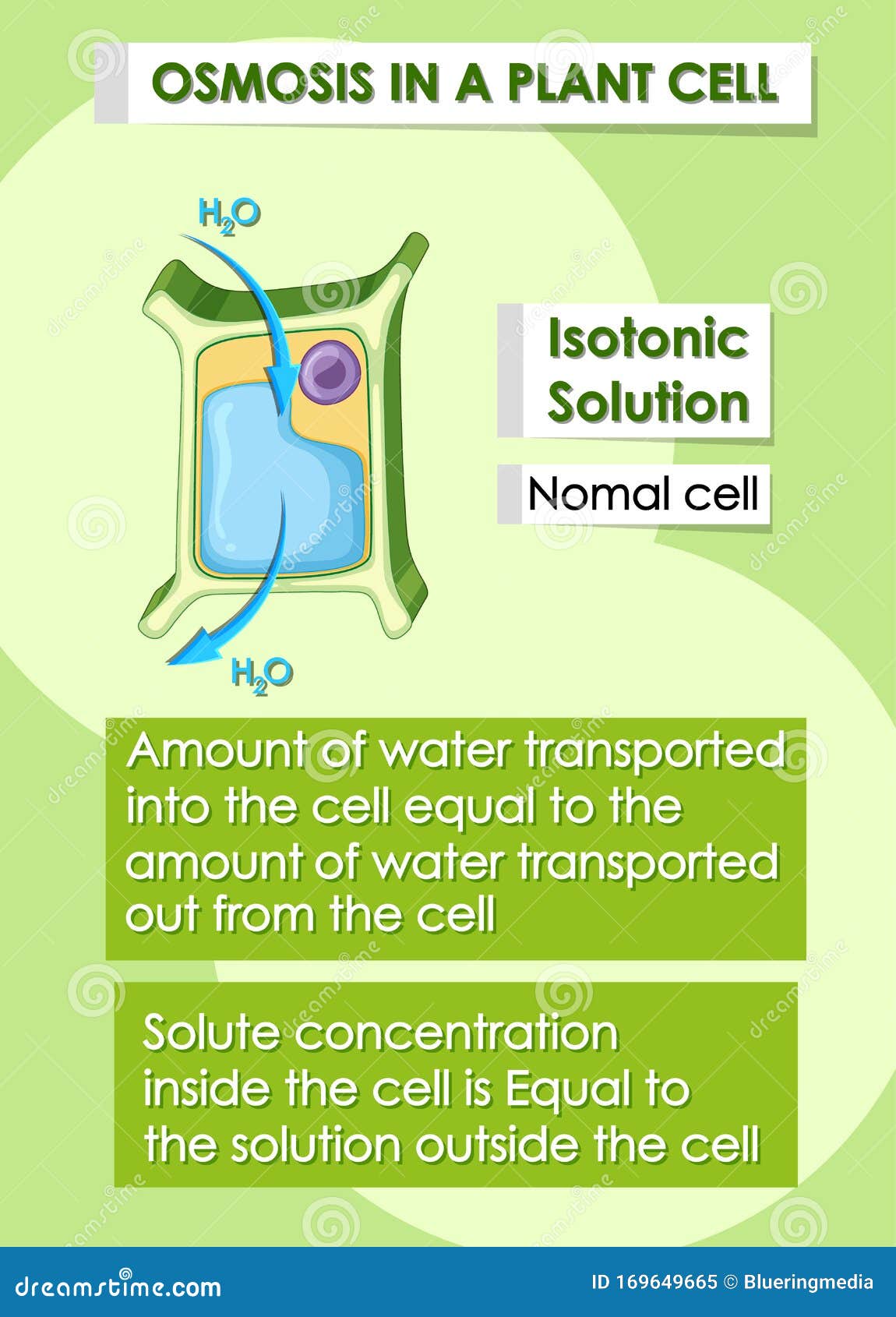
Osmosis Plant Cell Illustrations Vectors from thumbs.dreamstime.com • state the meanings of the words: • state the meaning of the terms: Pulling away of the plant cell membrane as it loses water in a hypertonic solution. Pulling away of the animal cell membrane as it undergoes osmosis. Water is lost from the plant mainly by evaporation from the leaves. Sign up and get access to hundreds of high quality instruction. Defining the differences between plant and animal cells and osmosis The effects of osmosis on animal and plant cells animal cells red blood cells placed in a solution with the same water concentration as their cytoplasm (0.85 per cent salt solution) will not.
Plant cells placed in a solution with a high water concentration compared to their contents (eg pure water) will gain water by osmosis and swell up until their cytoplasm and cell.
Sign up and get access to hundreds of high quality instruction. Osmosis in plant and animal cells learning objectives • explain why osmotic effects are different on plant cells compared with animal cells. What these processes have in common is osmosis — the movement of water from a region of lower solute concentration to a region of higher solute concentration. The movement of water from one living cell to the other within a plant. Examples of osmosis in animals the movement of water into the cytoplasm in unicellular organism such as paramecium and amoeba. How does osmosis affect cells? • state the meaning of the terms: Plant cells placed in a solution with a high water concentration compared to their contents (eg pure water) will gain water by osmosis and swell up until their cytoplasm and cell. What is example of osmosis in plants? • state the meanings of the words: Water is lost from the plant mainly by evaporation from the leaves. More images for osmosis plant and animal cells » Pulling away of the plant cell membrane as it loses water in a hypertonic solution.
Share :
Post a Comment
for "Osmosis Plant And Animal Cells / Why Is Osmosis Important For Plants And Animal Cells Quora - Sign up and get access to hundreds of high quality instruction."

Post a Comment for "Osmosis Plant And Animal Cells / Why Is Osmosis Important For Plants And Animal Cells Quora - Sign up and get access to hundreds of high quality instruction."