Home
/ Animal Cells Prefer What Type Of Solution Tonicity : cellmembranecoloringworksheet.pdf - NAME Cell Membrane ... / Hypertonic, isotonic, and hypotonic solutions and their effect on cells.
Animal Cells Prefer What Type Of Solution Tonicity : cellmembranecoloringworksheet.pdf - NAME Cell Membrane ... / Hypertonic, isotonic, and hypotonic solutions and their effect on cells.
Animal Cells Prefer What Type Of Solution Tonicity : cellmembranecoloringworksheet.pdf - NAME Cell Membrane ... / Hypertonic, isotonic, and hypotonic solutions and their effect on cells.. Each of the organelles is essential in. Animal cells do not cell walls thus cannot handle pressure. Hypotoniccred blood cell bursts (cytolysis)cplant cell loses turgor pressure (plasmolysis)bsolution with a higher solute concentrationaplant cell with good turgor pressurecsolution with a high water concentrationlabel the. Composition of the cell membrane • another type of lipid in the cell membrane is cholesterol that makes the membrane more fluid. A plant cell has a cell wall, whereas an animal cell only has a cell membrane, why ?
What does the similarity o the bone struture suggest about these animals? Basic cellular components of plant cells and animal cells, especially the plasma membrane. Hypertonic, isotonic, and hypotonic solutions and their effect on cells. Animal cells also lack chloroplasts and cell walls, which are found in plant cells. These are the effects of different solutions on blood cells.
34 Label The Following Cells As Isotonic Hypotonic Or ... from pbs.twimg.com Isotonic solution in animal cells, there is no net in an movement of water hypotonic an animal cell in a open solution may lyse or burst plasmolysis an animal cell in a crenate increasing solution will shrivel up or chloroplasts plant cells react differently to osmotic. Animal cells do not cell walls thus cannot handle pressure. This figure sums up the basic concept of the effect of osmosis (water exchange) on cells due to their tonicity. The major applications of laboratory the most important application of animal cell cultures is the production of a wide range of commercial compounds for medical and pharmaceutical use. Hypertonicacondition plant cells requireacondition that animal cells requirec. Animal cells also lack chloroplasts and cell walls, which are found in plant cells. Under the microscope, an animal cell shows many different parts called organelles, that work together to keep the cell functional. In this guide, we'll explain what animal cells are, the difference between plant and animal cells contain small structures called organelles, which help carry out the normal operations of a cell.
In addition the optical and electron microscope.
Slight fluctuations in the solute concentration of the extracellular fluid throughout the day cause small amounts of water to be exchanged between the intracellular and extracellular compartments to maintain homeostasis. Hypertonic, isotonic, and hypotonic solutions and their effect on cells. These are the effects of different solutions on blood cells. This video describes about tonicity.it also describes about how the plant and animal cells react to isotonic,hypotonic and hypertonic solutions. Animal cells are types of cells that are specifically found in animals. There are three types of osmosis hypotonic, hypertonic, and isotonic. • tonicity is always in comparison to a in a hypotonic environment, animal cells will swell until they burst, a process known as cytolysis. Miller and levine biology textbook solutions. Type of manipulation carried out with the cell cultures is taken into account. The assessment of cell cultures harbouring pathogens follows the same princi • label the plant cell • what type of solution are they in? Under the microscope, an animal cell shows many different parts called organelles, that work together to keep the cell functional. They move in the same way.
If you place an animal or plant cell in an existing medium tonicity, the cell will shrink because it will lose water (water will move from a greater concentration within the cell to a. Slight fluctuations in the solute concentration of the extracellular fluid throughout the day cause small amounts of water to be exchanged between the intracellular and extracellular compartments to maintain homeostasis. Some research workers these days prefer to utilize animal cell cultures wherever possible for various studies. Hypertonicacondition plant cells requireacondition that animal cells requirec. What is the ideal tonicity for plant cells?
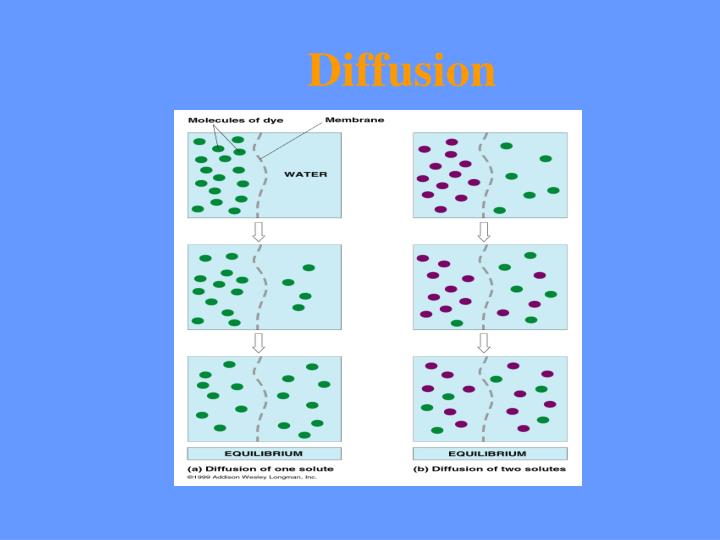
PPT - Cell Membranes Osmosis and Diffusion PowerPoint ... from image.slideserve.com Type of manipulation carried out with the cell cultures is taken into account. From there, they can conclude the tonicity of each solution. Another type of lipid in the cell membrane is cholesterol that makes the membrane more fluid. They move in the same way. This video describes about tonicity.it also describes about how the plant and animal cells react to isotonic,hypotonic and hypertonic solutions. They are comparable in size as adults c. Animal cells are of various sizes and have irregular shapes. A solution is a mixture of two or more substances in which one (a solute) is dissolved in the other (a.
Isotonic solution in animal cells, there is no net in an movement of water hypotonic an animal cell in a open solution may lyse or burst plasmolysis an animal cell in a crenate increasing solution will shrivel up or chloroplasts plant cells react differently to osmotic.
There are three types of osmosis hypotonic, hypertonic, and isotonic. Do you think all cells are the same? The tonicity depends on the permeability of the cell membrane for tonicity of the extracellular fluid determines the magnitude and direction of osmosis and results in three possible conditions: They evolved at the same time d. What types of solution do plants and animals cell prefer? Animal cell functions are solely dependent on the organelles and structures associated with the cell. I believe plant cells prefer a hypotonic solution. Are plant and animal cells the same? Slight fluctuations in the solute concentration of the extracellular fluid throughout the day cause small amounts of water to be exchanged between the intracellular and extracellular compartments to maintain homeostasis. What is the ideal tonicity for plant cells? Tonicity describes the amount of solute in a solution. Each of the organelles is essential in. In a hypotonic solution, the solute concentration is lower than inside the cell.
A plant cell has a cell wall, whereas an animal cell only has a cell membrane, why ? Why is turgor pressure not used in reference to animal cells ? What types of solution do plants and animals cell prefer? An animal cell will shrivel, while the cell membrane. They have a common ancestar b.
Animal Cell Educational Infographic - Osmosis Video en ... from i.pinimg.com What type of tonicity (solution) dos a animal cell survive well in ? Why is turgor pressure not used in reference to animal cells ? __ c___ solution with a high water concentration. Red blood cells placed in a solution with the same water concentration as their cytoplasm (0.85 per cent salt solution) will not experience an overall change in volume. What does the similarity o the bone struture suggest about these animals? A solute is any there are two things to always remember about osmoses and tonicity: A solution is a mixture of two or more substances in which one (a solute) is dissolved in the other (a. Some research workers these days prefer to utilize animal cell cultures wherever possible for various studies.
This video describes about tonicity.it also describes about how the plant and animal cells react to isotonic,hypotonic and hypertonic solutions.
This figure sums up the basic concept of the effect of osmosis (water exchange) on cells due to their tonicity. Red blood cells placed in a solution with the same water concentration as their cytoplasm (0.85 per cent salt solution) will not experience an overall change in volume. In a hypotonic solution, the solute concentration is lower than inside the cell. If you place an animal or plant cell in an existing medium tonicity, the cell will shrink because it will lose water (water will move from a greater concentration within the cell to a. Miller and levine biology textbook solutions. Each of the organelles is essential in. Hypotonic solution causes excess h2o to enter the cell, potentially causing the cell to lyse. Composition of the cell membrane • another type of lipid in the cell membrane is cholesterol that makes the membrane more fluid. Corresponding images of red blood cells are shown to illustrate what happens in real life. Label the tonicity for each solution (isotonic, hypotonic transport requiring energy what type of transport is represented by the following picture? __ c___ solution with a high water concentration. Some research workers these days prefer to utilize animal cell cultures wherever possible for various studies. Another type of lipid in the cell membrane is cholesterol that makes the membrane more fluid.
Share :
Post a Comment
for "Animal Cells Prefer What Type Of Solution Tonicity : cellmembranecoloringworksheet.pdf - NAME Cell Membrane ... / Hypertonic, isotonic, and hypotonic solutions and their effect on cells."



Post a Comment for "Animal Cells Prefer What Type Of Solution Tonicity : cellmembranecoloringworksheet.pdf - NAME Cell Membrane ... / Hypertonic, isotonic, and hypotonic solutions and their effect on cells."