Home
/ An Animal Cell (Left) And A Plant Cell (Right) Are Shown / 1 2 Difference Between Plant And Animal Cells Cells As The Basic Units Of Life Siyavula : Cells consist of cytoplasm enclosed within a membrane, which contains many biomolecules such as proteins and nucleic acids.2 most plant and animal cells are only visible under a light microscope, with dimensions between 1 and 100.
An Animal Cell (Left) And A Plant Cell (Right) Are Shown / 1 2 Difference Between Plant And Animal Cells Cells As The Basic Units Of Life Siyavula : Cells consist of cytoplasm enclosed within a membrane, which contains many biomolecules such as proteins and nucleic acids.2 most plant and animal cells are only visible under a light microscope, with dimensions between 1 and 100.
An Animal Cell (Left) And A Plant Cell (Right) Are Shown / 1 2 Difference Between Plant And Animal Cells Cells As The Basic Units Of Life Siyavula : Cells consist of cytoplasm enclosed within a membrane, which contains many biomolecules such as proteins and nucleic acids.2 most plant and animal cells are only visible under a light microscope, with dimensions between 1 and 100.. Animal cells and plant cells share the common components of a nucleus, cytoplasm, mitochondria and a cell membrane. Plant cells are rigid and box like structures, this is due to the presence of cell wall that is composed of animal cell has different shapes depending on the types of cell it is. A eukaryotic cell (left) and prokaryotic cell (right). These differences result in functional differences, such as plants' ability to get energy from the sun instead of from. Controls the movement of substances into and out of cells.
These differences result in functional differences, such as plants' ability to get energy from the sun instead of from. Plant cells have organelles that animal cells do not. Below the basic structure is shown in the same animal cell, on the left viewed with the light microscope, and on the right with the transmission electron microscope. The cytoplasm appears very granular in this. It allows materials to enter and leave the cell cell wall:
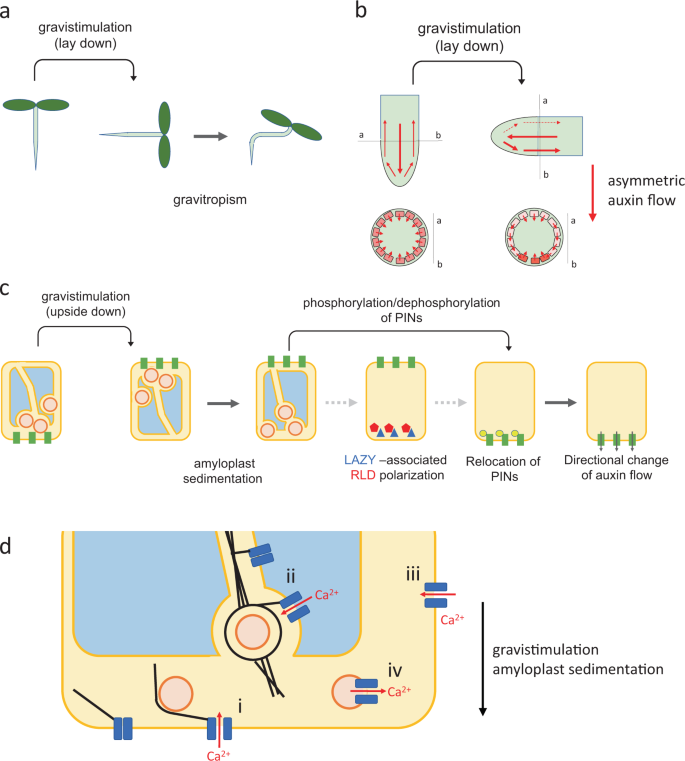
Gravity Sensing In Plant And Animal Cells Npj Microgravity from media.springernature.com The sunlight must be another structural difference between in plant cells is the presence of a rigid cell wall surrounding the cell membrane. Cambridge international as and a level biology. Like for example, rbc has a biconcave shape and egg cell which round in shape. Examining plant cells under the microscope. Plant cells have organelles that animal cells do not. Almost all animals and plants are made up of cells. Raise your laptop covers, and make sure the left window is active. A cell membrane distinguishes a fundamental cellular structure formed from a double layer of phospholipids associated with other lipids, proteins and carbohydrates.
A eukaryotic cell (left) and prokaryotic cell (right).
Spindle formed during cell division is amphiastral i.e. To show understanding of the functions, start off using one or two sentences and then try to use metaphors to. Almost all animals and plants are made up of cells. Howstuffworks looks at the differences between in fact, under a microscope, a plant cell and an animal cell might seem so similar, in some cases for instance, it's a plant's job to take carbon dioxide out of the air — which we animals just leave lying. Plant cells also have a large central vacuole, while animal cells either have small vacuoles or none. To answer this question, look at these two pictures. Their cells have essentially deflated. Images of plant cells and animal cells are shown below for reference. One of the distinctive aspects of a plant cell is the presence of a cell. Take note that cell parts present only in plant or animal cells may be written either on the left or right side of the overlapping area. An animal cell (left) and a plant cell (right) are shown. The cell membrane contains the contents of the cell and provides a barrier to control what enters and leaves the cell. Like for example, rbc has a biconcave shape and egg cell which round in shape.
Plant cells have chloroplasts where once in organelle detail view, to return to the cell diagram, click red link in the lower right corner it holds the contents of a cell inside the cell. The cell as the basic unit of life cells are the basic units of organisms all cells come from preexisting cells through cell division. Examining animal cells under the microscope. Students will study and analyse these illustrations. Examining plant cells under the microscope.
Which Organelle Is Found In Animal Cell But Not In Plant Cell A Plastids B Centriole C Lysosome D Nucleolus Quora from qph.fs.quoracdn.net Various kinds of cells have different shapes and structures based on there are very tiny holes in the cell or plasma membrane. An animal cell often possesses many small vacuoles. An animal cell (left) and a plant cell (right) are shown. Although the diagram above shows the typical structures of an animal cell, very few animal cells would actually look anything like this. Controls the movement of substances into and out of cells. Cells consist of cytoplasm enclosed within a membrane, which contains many biomolecules such as proteins and nucleic acids.2 most plant and animal cells are only visible under a light microscope, with dimensions between 1 and 100. Cambridge international as and a level biology. Plant cells are rigid and box like structures, this is due to the presence of cell wall that is composed of animal cell has different shapes depending on the types of cell it is.
An animal cell often possesses many small vacuoles.
Nucleus lies on one side in the spindles formed during cell divisions in anastral i.e. Activity 1 shows how plant and animal cells look like through the illustrations presented. Introduction all organisms in life are composed of at least one or more cells. But animal cells have lysosomes. To answer this question, look at these two pictures. The membrane of the cell, also known as the plasma or cytoplasmic membrane, is a biological membrane (biomembrane) that. Plant cells have plasmodesmata, a cell wall, a large central vacuole, chloroplasts, and if you were to remove all the organelles from a cell, would the plasma membrane and the cytoplasm be the only components left? Students will study and analyse these illustrations. Which of the following structures are found in a plant cell but not in an animal cell? The tough wall gives added. A mature plant cell contains a large central vacuole. Plant and animal cells i. Take note that cell parts present only in plant or animal cells may be written either on the left or right side of the overlapping area.
The cell wall is an extra covering that surrounds the cell membrane of a plant cell. Examining plant cells under the microscope. Four hours and then we observed them. Various kinds of cells have different shapes and structures based on there are very tiny holes in the cell or plasma membrane. Take note that cell parts present only in plant or animal cells may be written either on the left or right side of the overlapping area.
Plant Vs Animal Cells Youtube from i.ytimg.com Plant cells have organelles that animal cells do not. An animal cell (left) and a plant cell (right) are shown. Plant cell and animal cell have different shapes. Do you know what they are? Spindle formed during cell division is amphiastral i.e. Cell wall and cell membrane lysosome and vacuole vacuole and centriole lysosome and chloroplast. The top shows the more prominent role in keeping cells nice and full of water, not too little or. Animal cells and plant cells share the common components of a nucleus, cytoplasm, mitochondria and a cell membrane.
The eukaryotic cell is a complex structure we know today that the first two tenets are right, but the third is wrong.
Activity 1 shows how plant and animal cells look like through the illustrations presented. The cell wall is an extra covering that surrounds the cell membrane of a plant cell. It allows materials to enter and leave the cell cell wall: Their cells have essentially deflated. The membrane of the cell, also known as the plasma or cytoplasmic membrane, is a biological membrane (biomembrane) that. Examining plant cells under the microscope. A plant cell and an animal cell are shown. An animal cell (left) and a plant cell (right) are shown. Examining animal cells under the microscope. Plant cells have plasmodesmata, a cell wall, a large central vacuole, chloroplasts, and if you were to remove all the organelles from a cell, would the plasma membrane and the cytoplasm be the only components left? These differences result in functional differences, such as plants' ability to get energy from the sun instead of from. To show understanding of the functions, start off using one or two sentences and then try to use metaphors to. Cells so cell the cell wall is going to be in a plant cell animal cells don't have cell walls now if we go one layer deeper we get to the plasma membrane junctions between adjacent cells electrical signals can move through the tissue and let adjacent cells know hey it's time to contract in the right way so.
Share :
Post a Comment
for "An Animal Cell (Left) And A Plant Cell (Right) Are Shown / 1 2 Difference Between Plant And Animal Cells Cells As The Basic Units Of Life Siyavula : Cells consist of cytoplasm enclosed within a membrane, which contains many biomolecules such as proteins and nucleic acids.2 most plant and animal cells are only visible under a light microscope, with dimensions between 1 and 100."


Post a Comment for "An Animal Cell (Left) And A Plant Cell (Right) Are Shown / 1 2 Difference Between Plant And Animal Cells Cells As The Basic Units Of Life Siyavula : Cells consist of cytoplasm enclosed within a membrane, which contains many biomolecules such as proteins and nucleic acids.2 most plant and animal cells are only visible under a light microscope, with dimensions between 1 and 100."